

Most workplaces treat safety like a checklist, until someone gets hurt.
That thinking costs real people time, money, and health.
Health and safety is more than helmets and signs, it’s the habits and systems that stop harm before it starts.
In this post you’ll get the clear steps that work every day: how to spot real hazards, quick fixes that actually help, and simple systems that keep teams safe.
No jargon, no long training sessions, just practical actions you can use now.
Follow them and you’ll lower injuries, cut costs, and make safety something everyone can do.
Core Explanation of the Topic
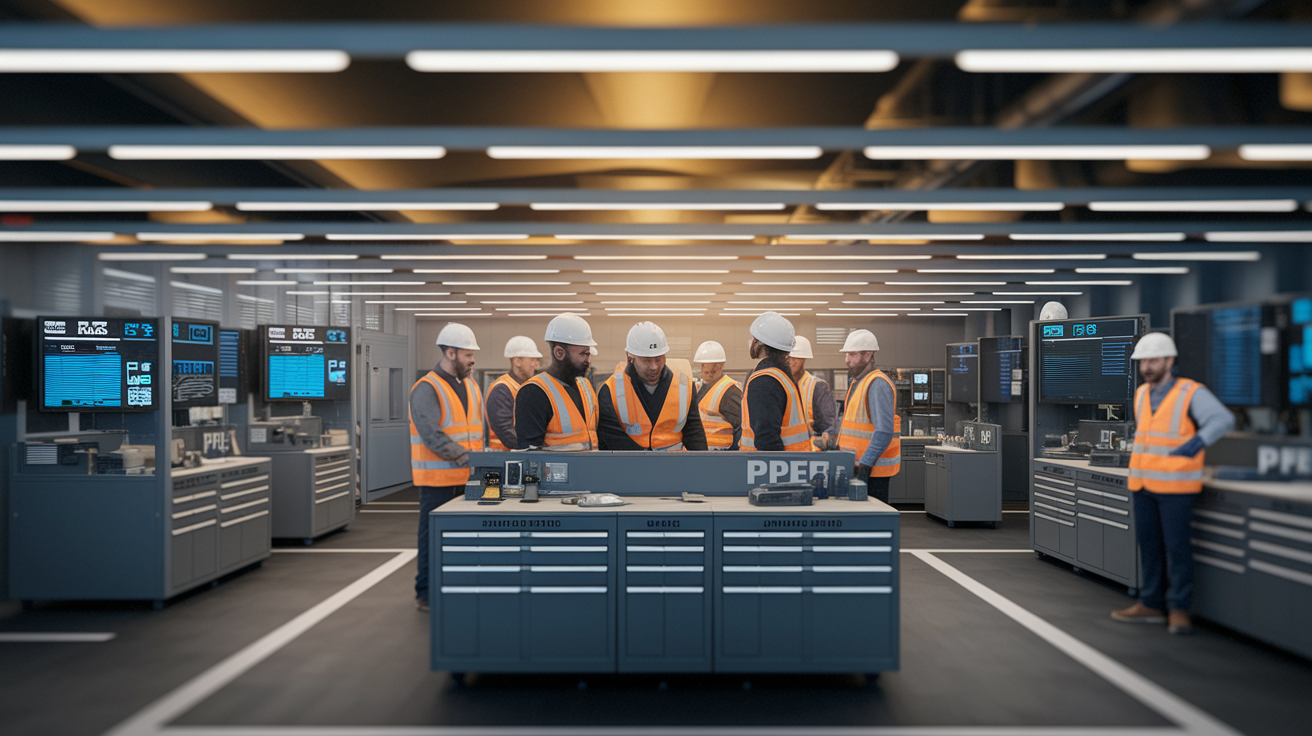
Health and safety is the collection of practices, systems, and responsibilities that keep people safe from physical harm, illness, and mental strain while they’re working or moving through shared spaces. It covers how equipment gets used and maintained, how hazards get spotted and communicated, and how risks get controlled. The term includes both immediate actions (wearing protective gear, following procedures) and the broader framework (training programs, emergency plans, staying compliant with regulations) that keeps those actions working consistently.
At its core, health and safety is about creating conditions where people can do their jobs without unnecessary risk. That means protecting against obvious dangers like falls, equipment failures, or chemical exposures. But it also means addressing less visible threats. Ergonomic strain. Noise. Workplace stress. The practices that support it range from simple housekeeping to formal risk assessments, and they apply whether you’re on a construction site, in an office, or working remotely.
The primary purpose? Prevention. Health and safety systems exist to stop injuries and illnesses before they happen, reduce the severity when incidents do occur, and make sure everyone knows what to do in an emergency. When you apply these practices day to day, you lower absenteeism, cut costs tied to accidents, and build a culture where reporting hazards feels normal.
Key Principles That Support Safe Practices
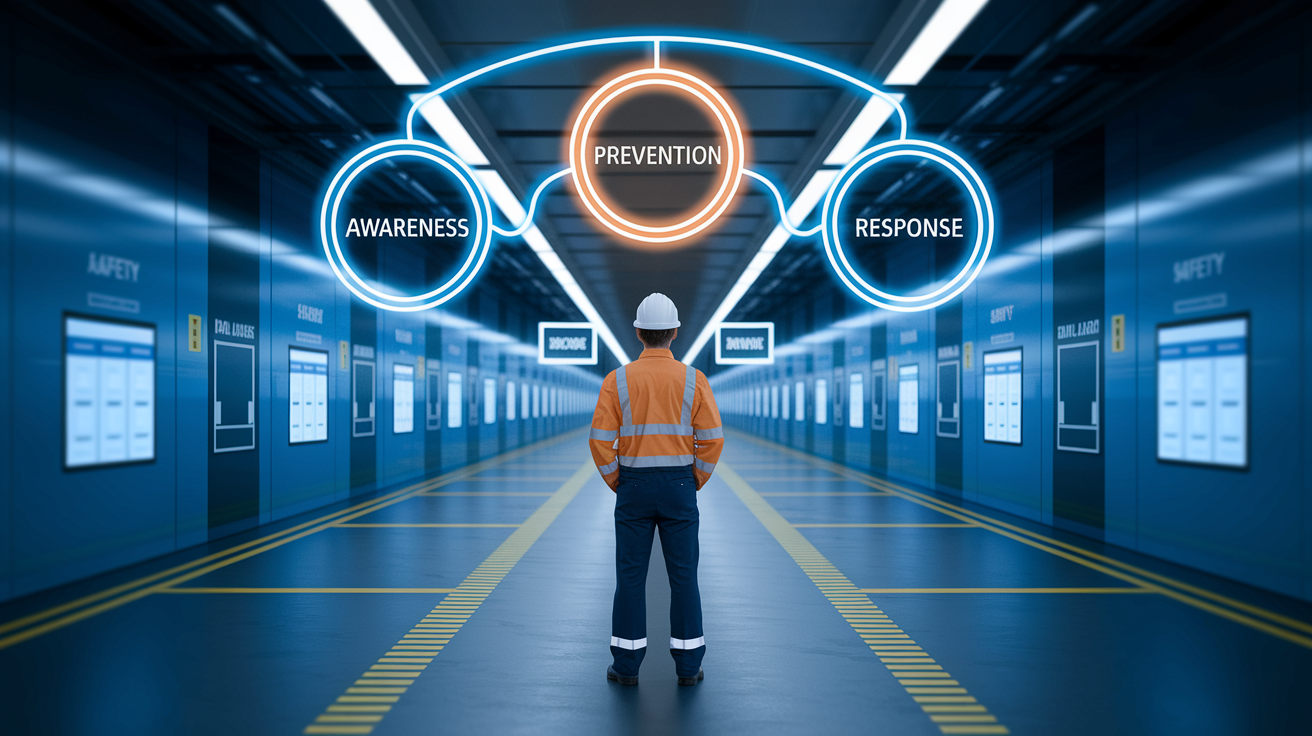
A few foundational ideas underpin every effective health and safety program, no matter the industry or environment. These principles guide how risks get spotted, managed, and reduced over time.
The first is risk awareness. You can’t control what you don’t see. Every safety system starts with identifying hazards, whether that’s a wet floor, a poorly labeled chemical, or a task that requires repetitive motion. The second is prevention. Once a risk is known, the goal is to eliminate or reduce it before anyone gets hurt. That might mean redesigning a process, substituting a safer material, or installing guards on machinery. The third is response. Even with strong prevention, incidents and near misses will happen. A good system includes clear procedures for reporting, investigating, and learning from those events so the same problem doesn’t repeat.
These three concepts (awareness, prevention, and response) connect directly to health and safety by forming a continuous loop. You identify what could go wrong. You put controls in place to stop it. And when something does happen, you use that information to improve. That cycle keeps safety from becoming a static checklist and turns it into a living part of how work gets done.
Practical examples of applying these principles:
- Conducting a walk through at the start of each shift to spot new hazards like equipment left in walkways or frayed cords
- Training workers to stop a task if conditions change unexpectedly, such as weather shifting on an outdoor site or a chemical spill in a lab
- Reviewing incident reports monthly to identify patterns, like repeated slips in the same area, then adjusting controls
- Encouraging near miss reporting without penalty so small problems get fixed before they become big ones
Common Risks and How to Address Them

Most workplace injuries and illnesses fall into a few recurring categories. Understanding those patterns makes it easier to focus prevention efforts where they matter most.
Slips, trips, and falls remain the leading cause of nonfatal injuries across nearly every sector. They happen when floors are wet, uneven, or cluttered. When lighting is poor. Or when workers rush through unfamiliar spaces. Falls from height, whether off ladders, scaffolding, or roofs, account for a large share of fatal incidents, especially in construction and maintenance work. Struck by hazards occur when objects fall, swing, or roll into workers, or when vehicles and mobile equipment operate in shared spaces. Chemical exposures, from solvents and cleaners to industrial chemicals, cause burns, respiratory problems, and long term illness when labeling, ventilation, or storage practices break down.
Ergonomic injuries build slowly. Repetitive motion, awkward postures, and heavy lifting strain muscles and joints over weeks or months. That leads to conditions like tendonitis or back injuries. Noise and vibration damage hearing and circulation, often without immediate symptoms. Electrical hazards, though less frequent, carry high stakes. Contact with live wires or faulty equipment can cause burns, shock, or death. Psychosocial risks (high stress, long hours, harassment) affect mental health and show up as fatigue, mistakes, and burnout.
| Risk Category | Description | Example | Prevention Strategy |
|---|---|---|---|
| Slips, Trips, Falls | Loss of balance or footing on walking surfaces or at height | Wet floor in a kitchen, unguarded roof edge | Housekeeping routines, non-slip mats, guardrails, fall arrest systems |
| Struck-By / Caught-Between | Contact with moving objects, vehicles, or machinery | Forklift backing into a worker, hand caught in conveyor | Barriers, proximity alarms, lockout/tagout, high-visibility clothing |
| Chemical Exposure | Inhalation, skin contact, or ingestion of hazardous substances | Solvent vapors in an unventilated room, unlabeled cleaning agent | Proper labeling, local exhaust ventilation, PPE (gloves, respirators), segregated storage |
| Ergonomic Strain | Repetitive motion, awkward postures, or heavy loads causing musculoskeletal injury | Assembly-line worker bending repeatedly, lifting boxes above shoulder height | Workstation redesign, task rotation, mechanical aids (hoists, carts), posture training |
Tools, Methods, or Systems That Support Better Safety

Effective safety relies on a mix of physical tools and organizational systems that work together to spot hazards, control risks, and keep everyone informed.
Physical tools include personal protective equipment (hard hats, safety glasses, gloves, respirators, high visibility vests), guardrails and fall protection systems, machine guards, ventilation fans, lockout/tagout devices, and signage that marks hazards or restricted areas. Organizational tools are just as important. Written safety policies. Standardized checklists for inspections. Incident and near miss reporting forms. Training curricula. Emergency response plans.
Widely used methods and systems include:
- Hazard identification walk throughs conducted before shifts or after process changes
- Risk assessment matrices that rank likelihood and severity to prioritize controls
- Lockout/tagout procedures to make sure equipment is de-energized before maintenance
- Permit to work systems for high risk tasks like confined space entry or hot work
- Regular safety meetings or toolbox talks that cover recent incidents, new hazards, or seasonal risks like heat stress
Choosing the right tools starts with understanding the specific risks in your environment. A construction site needs fall protection and PPE suited for outdoor work. A laboratory requires chemical storage cabinets, fume hoods, and spill kits. An office setting might focus on ergonomic furniture, emergency evacuation maps, and fire extinguishers.
Once selected, tools and systems must be maintained, inspected regularly, and paired with training so people know when and how to use them. The most expensive guardrail or the most detailed policy won’t prevent injuries if it’s ignored, broken, or misunderstood.
Best Practices for Maintaining Safety Over Time
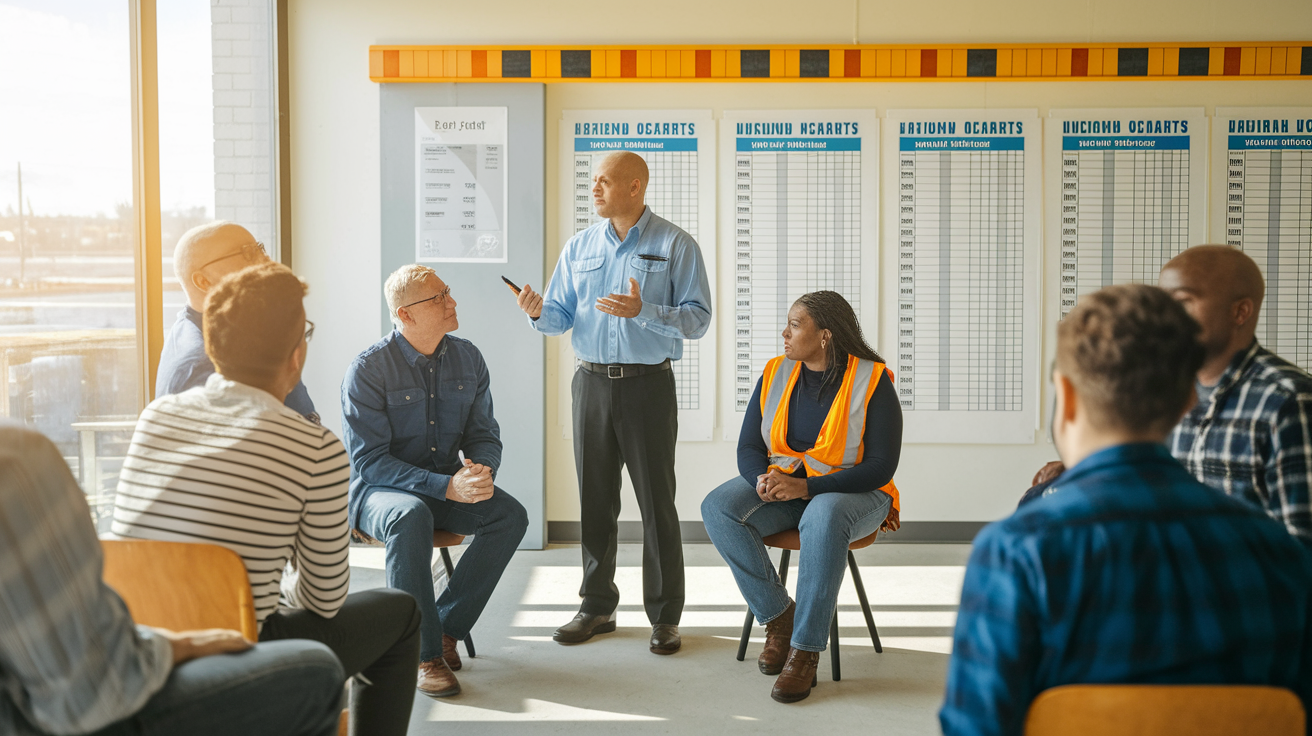
Consistency is what separates a one time safety push from a culture that protects people year after year. Strong initial training and equipment matter, but they fade without regular reinforcement, inspection, and adaptation to new risks.
Common challenges? Complacency as routines become familiar. Turnover that brings in workers unfamiliar with site specific hazards. And competing pressures like tight deadlines or budget cuts that tempt shortcuts. Equipment wears out. Procedures drift from their written form. People forget details from infrequent drills or training sessions.
The solution is to build maintenance directly into daily and weekly routines. Schedule recurring inspections of tools, PPE, and high risk areas, and log the results so gaps are visible. Hold short, focused safety meetings at the start of each shift or week to review recent incidents, remind teams of key procedures, and address new hazards. Rotate responsibility for safety checks across team members so ownership spreads and fresh eyes catch problems that regulars might miss.
Revisit training annually, and add refreshers whenever tasks change, new equipment arrives, or an incident reveals a knowledge gap. Keep reporting simple and blame free so near misses and concerns surface early, before they become injuries.
Finally, review your safety data (incident rates, inspection findings, training completion) at regular management meetings and adjust priorities based on what the numbers show. When safety stays visible, measurable, and tied to everyday decisions, it remains effective long after the initial rollout.
Final Words
We defined what and safety means in practical terms, then showed core principles like risk awareness, prevention, and response.
You saw common risks, clear prevention steps, and tools or systems that help, plus simple ways to pick and adopt them. We also covered long-term habits to keep safety steady.
Use the checks and tools you trust, review them regularly, and make small routines that stick. Treat and safety as ongoing work, not a one-time fix. You’ll get safer every day.
FAQ
Q: What are the 4 principles of HSE?
A: The 4 principles of HSE are leadership commitment, risk identification and control, worker participation, and continuous improvement—these keep workplaces safer, reduce incidents, and ensure legal and operational consistency.
Q: What are the 7 steps of patient safety?
A: The 7 steps of patient safety are identify risks, report incidents, investigate causes, implement corrective actions, train staff, communicate with patients, and monitor outcomes to prevent harm and improve care.
Q: What is HSE and OSHA?
A: HSE and OSHA are workplace safety regulators: HSE (Health and Safety Executive) is the UK regulator, while OSHA (Occupational Safety and Health Administration) is the US federal agency enforcing workplace safety rules.
Q: What are the 5 C’s of health and safety?
A: The 5 C’s of health and safety are commitment, competence, communication, control, and compliance—these guide practical actions to prevent harm and meet legal obligations.