

Think RPGs are just about loot and big battles? That’s a common mistake.
RPG game meaning runs deeper: it’s about shaping a character over time through choices that change stats, skills, and the story.
This post breaks down the systems that make that possible, such as leveling, skill trees, gear, and branching narratives, and shows why those mechanics matter for player agency.
Thesis: the true meaning of an RPG is character development through interactive storytelling, where your decisions create a unique, persistent persona in the game world.
Clear Definition of RPG Games and Their Core Meaning

RPG stands for role-playing game. It’s a genre where you control one or more characters in a fictional world and shape them through decisions that affect both progression and story outcomes. The core meaning of an RPG? Player-driven development of persistent characters through choices that actually matter.
Unlike action games where you just complete levels or puzzle games where you solve challenges, RPGs let you build and specialize a character over time. You make trade-offs that define who that character becomes.
Final Fantasy, Skyrim, and Pokémon all qualify as RPGs because they share this foundation: you guide a character (or party) through a world, make meaningful choices about stats and abilities, and watch that character grow in ways you decide. The genre traces back to tabletop games like Dungeons & Dragons, released in 1974, which introduced the idea of naming individual characters, giving them statistics, and making decisions from their perspective. Digital RPGs inherited these principles, translating dice rolls and character sheets into code.
A lot of people assume fantasy settings, exploration, or specific combat styles define RPGs. They don’t. None of those features are required or exclusive. Heavy Rain has a compelling story but lacks meaningful character progression. Grand Theft Auto IV has an open world but doesn’t let you specialize your character through scarcity-based choices. Half-Life has combat but offers no real stat allocation or specialization. What makes an RPG isn’t the backdrop or the action system. It’s the link between player choices and lasting character development.
Core traits of RPGs:
Character growth: stats, levels, and abilities that increase over time
Meaningful progression: advancement tied to choices, not just time spent playing
Consequential decisions: trade-offs and specialization that shape your character
Story involvement: character relationships and narrative elements that respond to your actions
Understanding Core RPG Gameplay Elements

Leveling systems and experience points form the backbone of RPG progression. When you defeat enemies, complete quests, or achieve objectives, you earn XP that accumulates toward the next level. Each new level typically unlocks skill points, stat increases, or new abilities. Stats (strength, intelligence, dexterity, and similar attributes) govern what your character can do. Skill trees let you choose which abilities to unlock or improve. This creates a feedback loop: play well, gain experience, choose upgrades, perform better.
Quests and missions give structure to your progression and tie character growth to the story. Most RPGs offer a main storyline plus optional side quests that reward extra XP, loot, or unique items. Character creation systems let you decide your starting class, appearance, and sometimes backstory, setting the foundation for how you’ll specialize later. Equipment (weapons, armor, accessories) modifies your stats and changes your effectiveness in combat, exploration, or social interactions.
Hallmark RPG elements:
Experience points (XP): measurable advancement earned through play
Skill trees: branching upgrade paths that create specialization
Progression systems: levels, ranks, or tiers that unlock new capabilities
Gear and loot: equipment that modifies stats and abilities
Narrative impact: story elements that respond to your character’s development
Key Subgenres That Shape the Meaning of RPG Games
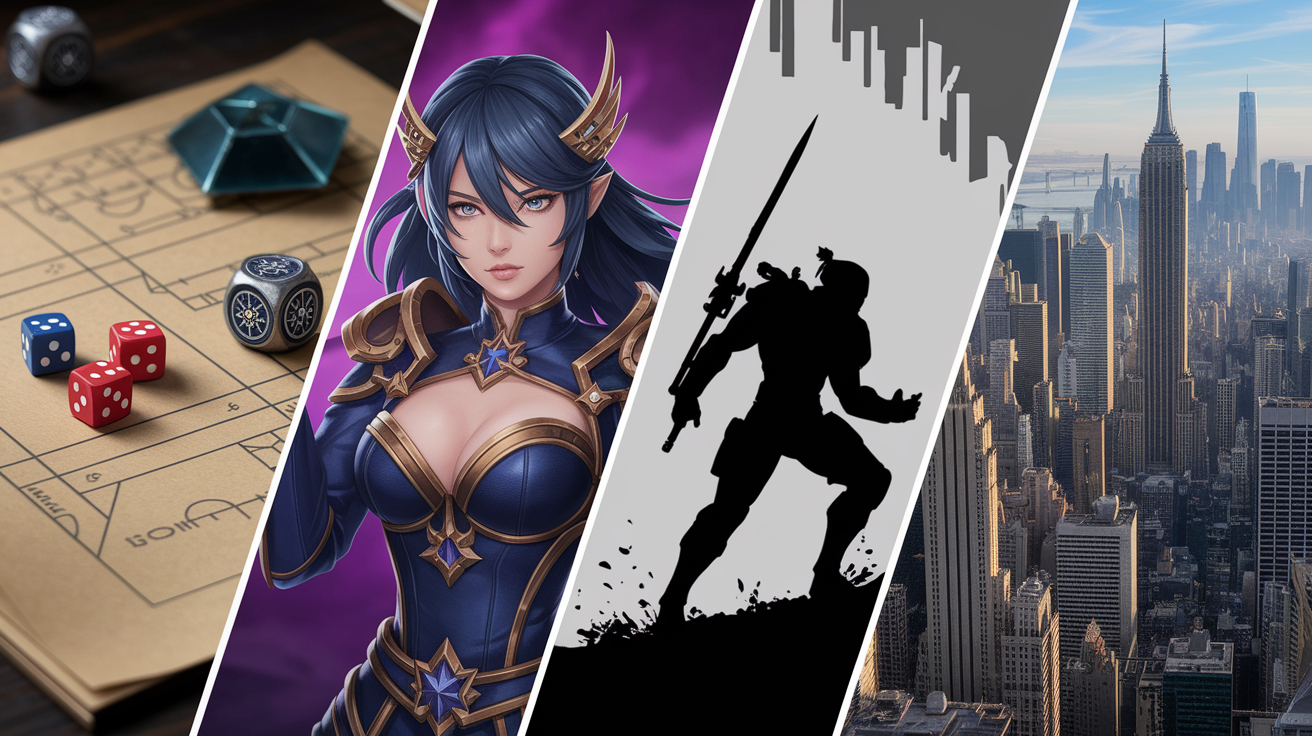
RPG subgenres exist because developers combine the core progression-and-choice foundation with different combat systems, narrative structures, and world designs. Understanding these subgenres helps clarify what “RPG” means across different contexts, from a Game Master guiding friends around a table to massive online worlds with thousands of simultaneous players.
Tabletop RPGs
Tabletop RPGs rely on a Game Master (or Dungeon Master) who narrates the world, controls non-player characters, and adjudicates rules. Players describe their character’s actions, roll dice to determine outcomes, and shape the story collaboratively. Stats define what characters can do, but the narrative emerges from player decisions and GM responses. Dungeons & Dragons, Pathfinder, and Call of Cthulhu all follow this model, emphasizing persistence (your character carries over session to session) and creative freedom within a ruleset.
JRPGs
Japanese RPGs typically feature strong linear narratives, turn-based combat, and clearly defined character archetypes. You progress through a structured story, often with cinematic cutscenes and pre-written dialogue. Final Fantasy exemplifies this approach: each character has a role in the plot, and battles pause for you to select commands. JRPGs lean into story-driven progression and often include extensive worldbuilding and character backstories.
Action RPGs
Action RPGs merge real-time combat with stat-based progression. The Legend of Zelda, Dark Souls, and Mass Effect all require quick reflexes and positioning during fights, but your success still depends on equipment, levels, and skill choices. You dodge, block, and attack in the moment, yet you also allocate stats, unlock abilities, and manage inventory between encounters. The “action” label describes the combat pace, not a departure from RPG fundamentals.
MMORPGs
Massively Multiplayer Online RPGs place thousands of players in a shared persistent world. You team up for large-scale battles, tackle group quests, and interact with a living community. World of Warcraft and similar games emphasize social dynamics, ongoing content updates, and long-term character investment. Progression happens over months or years, and your choices affect not just your character but your standing in guilds and player economies.
| Subgenre | Core Traits | Example |
|---|---|---|
| Tabletop RPG | GM-led sessions, dice mechanics, collaborative storytelling | Dungeons & Dragons |
| JRPG | Turn-based combat, linear story, character archetypes | Final Fantasy series |
| Action RPG | Real-time combat, stat-based progression, reflex challenges | Dark Souls |
| MMORPG | Persistent online world, team quests, large player communities | World of Warcraft |
RPG Progression Systems and How They Define Character Growth
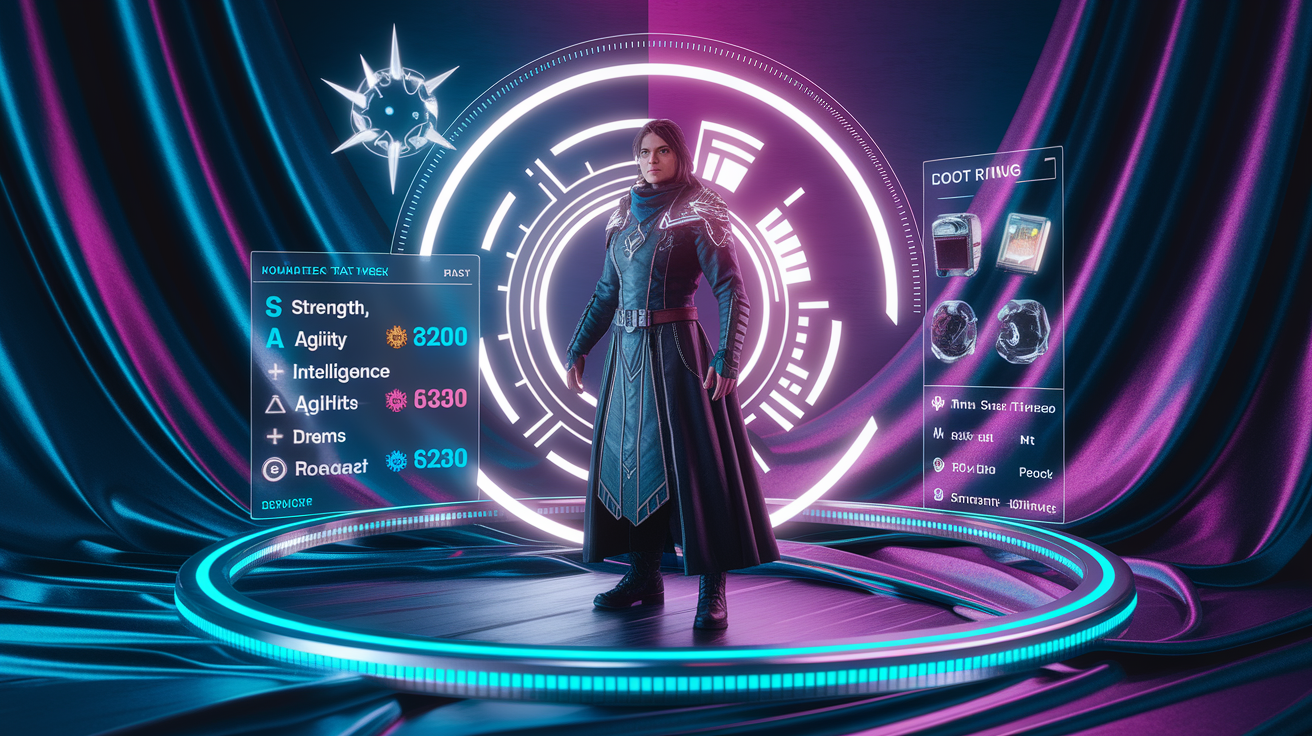
Stats and attributes (strength, agility, constitution, intelligence, and similar values) determine what your character can accomplish. When you level up, you allocate points to these stats, shaping your character’s strengths and weaknesses. A mage who invests heavily in intelligence gains powerful spells but remains fragile in melee combat. A warrior who prioritizes strength and constitution hits hard and survives longer but lacks magical versatility.
Specialization and scarcity create the meaningful trade-offs that define RPG progression. You can’t maximize every stat or unlock every skill, so you choose which abilities to develop and which to leave behind. If you save skill points for a late-game ultimate ability, you sacrifice mid-game power. If you equip heavy armor for defense, you might move slower or consume more stamina.
These decisions matter because resources (points, slots, time) are limited, forcing you to commit to a playstyle. Simply gaining +1 to a stat with every button click doesn’t count as true RPG progression unless those numbers represent a persistent, unique character whose development you direct.
Loot and equipment systems add another layer. Finding a rare sword or crafting a legendary helmet changes your capabilities, but the real value comes from how gear interacts with your build. A critical-hit dagger matters more to a rogue who invested in agility than to a tank who prioritized defense. Skill trees evolve your abilities over time, often branching into multiple paths (offensive, defensive, utility) so that two players with the same starting class end up with very different characters.
Forms of progression in RPGs:
Stat allocation: distributing points to shape your character’s core attributes
Skill unlocks: choosing abilities from branching trees or class-specific options
Equipment upgrades: finding or crafting gear that modifies stats and unlocks new tactics
Specialization paths: committing to a playstyle (mage, tank, rogue) through cumulative choices
Storytelling, Player Agency, and Narrative Meaning in RPG Games
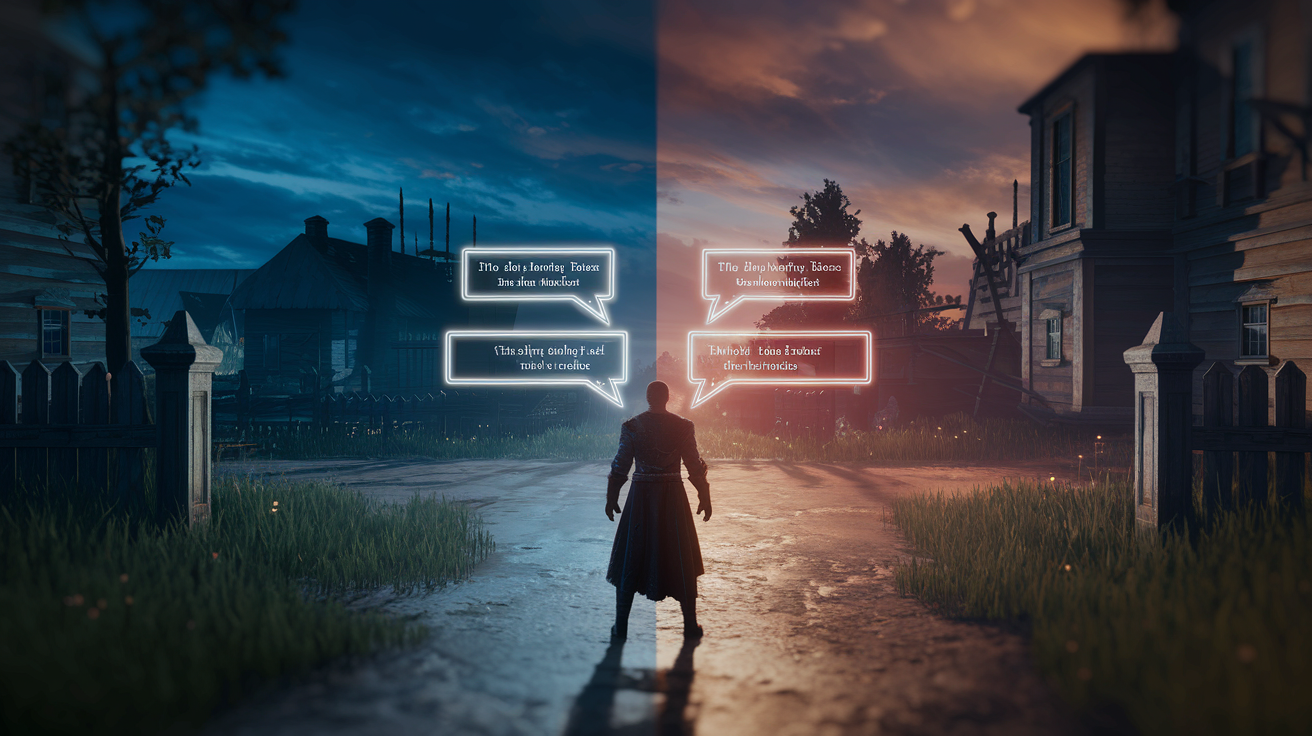
Player agency in RPGs means your decisions influence not just numbers but the world around you. Branching narratives let you choose dialogue options, pick sides in conflicts, or decide how to resolve quests. In Mass Effect, you shape Commander Shepard’s personality and relationships through conversation choices, and those choices ripple forward into later story beats. In The Witcher 3, accepting or refusing certain quests changes NPC reactions, regional politics, and even which characters survive. Immersion deepens when you feel like you’re stepping into a role, making decisions from your character’s perspective rather than simply following a script.
Narrative consequences can be stat-based (choosing a faction grants unique equipment), social (NPCs remember your actions and treat you accordingly), or structural (entire quest lines open or close based on earlier decisions). A choice to save a village might cost you a powerful ally. Sparing an enemy might unlock a future reconciliation.
Not every RPG uses narrative branching as a core pillar. Some, like many tabletop sessions, emphasize acting in character and improvising within a framework. Others, like Dragon Quest VIII, follow a mostly linear story but still deliver RPG-style progression and meaningful combat choices.
Types of narrative decision effects:
Moral choices: decisions that reflect your character’s ethics and alter story tone
Companion responses: party members react to your actions, affecting loyalty and dialogue
Quest outcomes: multiple solutions to missions with different rewards and consequences
Faction alignment: choosing sides in conflicts that lock or unlock content
Ending variations: final story outcomes shaped by cumulative decisions
World-state changes: persistent alterations to towns, NPCs, or regions based on your actions
Tabletop Influence on Modern RPG Game Meaning

Dungeons & Dragons, released in 1974 and evolved from the miniatures war game Chainmail, introduced the idea of naming individual units, assigning them statistics, and making decisions from their point of view. Early D&D sessions used dice to resolve combat, skill checks, and saving throws, creating randomness within a structured ruleset. The Game Master (or Dungeon Master) guided the narrative, described the world, and adjudicated rules, while players controlled their characters and shaped the story through in-character actions.
Rulesets like D&D’s class systems, alignment grids, and experience-point ladders became templates for digital RPGs. Campaign structures (a series of connected adventures with a persistent party) taught designers how to pace progression and build long-term investment. The GM role demonstrated how a single authority could balance challenge, reward exploration, and respond dynamically to player creativity. Worldbuilding in tabletop games (detailed settings, faction politics, lore) showed that rich context makes choices feel more meaningful.
Digital RPGs adapted these tabletop systems by translating dice rolls into random-number generators, character sheets into stat screens, and GM narration into scripted dialogue and procedural events. Early computer RPGs like Ultima and Wizardry borrowed directly from D&D’s class-and-level framework. Modern games still echo tabletop roots: you roll virtual dice in Baldur’s Gate 3, you manage party composition like a tabletop adventuring group in Dragon Age, and you navigate moral dilemmas just as a DM might present them at the table.
| Tabletop Feature | Influence on Video RPGs |
|---|---|
| Dice mechanics and randomness | Random damage, critical hits, skill-check success rates |
| Character classes and progression tables | Class-based leveling systems, skill trees, and specialization paths |
| GM-guided narrative flexibility | Branching dialogue, quest variations, and world reactivity |
Differences Between RPGs and Similar Game Genres
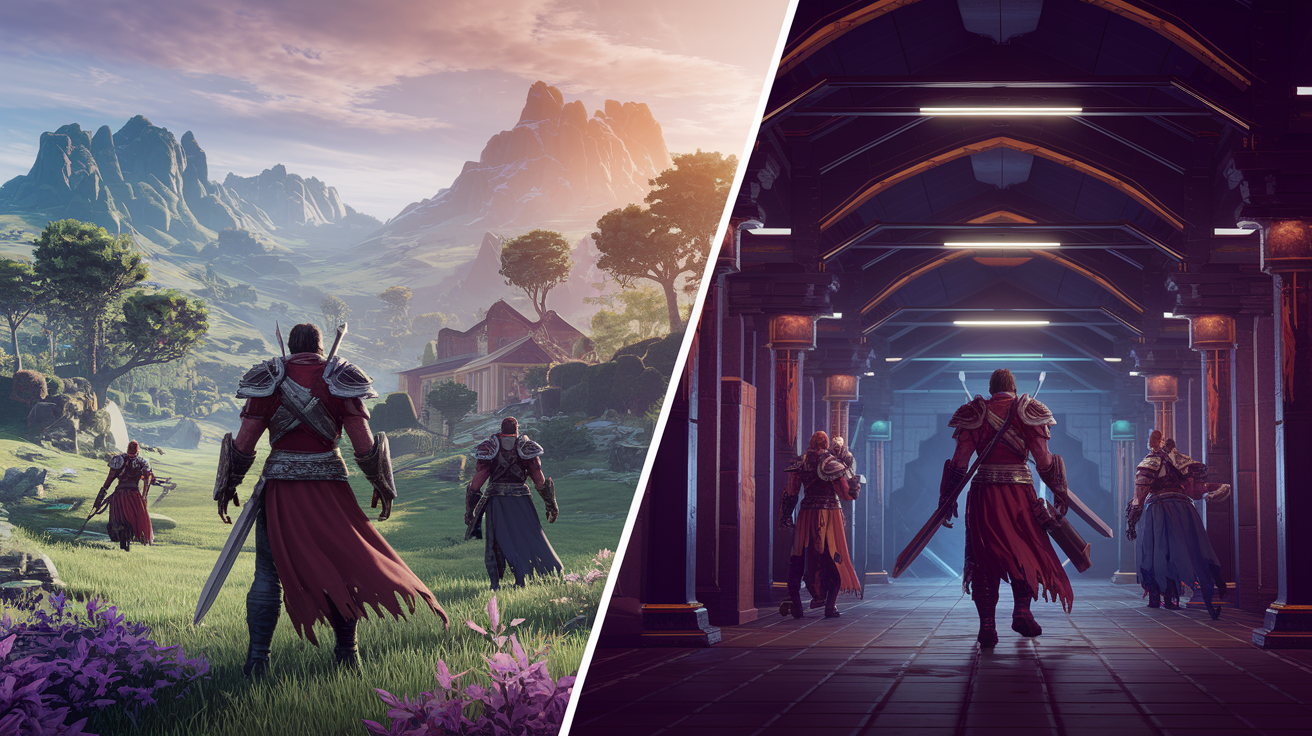
RPGs and adventure games both include story and exploration, but adventure games rarely feature stat-based progression or meaningful specialization choices. Heavy Rain offers a gripping narrative and branching outcomes, yet you don’t level up or allocate skill points. Your character doesn’t grow stronger or more capable through your decisions. You simply follow the plot. An RPG requires that your choices shape a persistent character whose abilities and identity evolve over time.
Roguelikes and hack-and-slash games often include combat, loot, and some form of advancement, but they may lack true persistence or specialization. In a roguelike, your character resets after death, starting fresh each run with randomized loot and layouts. Persistence across sessions (saving Malcolm the bowman through five battles so he’s stronger in battle six) is what separates RPG progression from temporary power-ups. Hack-and-slash titles like Golden Axe and Gauntlet feature action and sometimes basic stats, but they don’t offer the scarcity-driven trade-offs or creative character shaping that define RPGs.
Distinguishing factors:
Persistence: characters and progress carry forward across sessions or scenarios
Meaningful progression: advancement tied to player choices, not just time or repetition
Player agency: decisions that shape character identity, abilities, and story outcomes
Specialization and scarcity: limited resources forcing trade-offs between strengths and weaknesses
Well-Known RPG Franchises That Define the Genre

Concrete examples help clarify what “RPG” means in practice because each franchise demonstrates different aspects of the genre’s identity. Final Fantasy shows JRPG traditions (turn-based combat, episodic storytelling, character archetypes), while The Elder Scrolls shows WRPG open-world freedom and freeform character building. Looking at how these franchises handle progression, narrative, and player choice reveals the breadth of RPG design.
Mass Effect illustrates how narrative choices and character relationships can become central to RPG identity. Your dialogue decisions shape Commander Shepard’s personality, affect companion loyalty, and determine story outcomes across three games. The Witcher series demonstrates story-rich modern RPGs where moral ambiguity and consequence-driven quests take priority over raw stat optimization. Fallout combines post-apocalyptic worldbuilding with SPECIAL stat systems and branching quest design. Baldur’s Gate brought tabletop D&D rules directly into digital form, emphasizing party tactics and ruleset fidelity.
Franchise contributions to RPG identity:
Final Fantasy: established JRPG storytelling conventions, turn-based combat depth, and character-driven narratives
The Elder Scrolls: defined open-world WRPGs with freeform exploration and classless progression
Mass Effect: showed how conversation trees and relationship systems can drive RPG engagement
The Witcher: proved that mature storytelling and morally gray choices resonate in RPG contexts
Fallout: combined retro-futuristic settings with stat-heavy character building and faction politics
Baldur’s Gate: bridged tabletop and digital RPGs, emphasizing ruleset depth and party-based tactics
Final Words
We defined an RPG as a game where you shape a persistent character through choices, progression, and story. We covered core parts like XP, skill trees, gear, quests, and character growth.
We walked through subgenres—tabletop, JRPGs, action RPGs, and MMORPGs—then explained progression systems, narrative agency, and how tabletop roots still matter. We also clarified what doesn’t make a game an RPG and compared similar genres.
Keep this rpg game meaning in mind when you pick a game. It’ll help you find the right play and have more fun.
FAQ
Q: Is GTA an RPG?
A: GTA is mainly an open-world action-adventure series with occasional RPG-like features; it lacks core RPG essentials like persistent character progression, deep stat-based growth, and player-shaped long-term development.
Q: What is the most popular RPG right now?
A: The most popular RPG right now depends on platform and metric; currently titles like Elden Ring, Baldur’s Gate 3, and Genshin Impact often top player counts and critical attention across platforms.
Q: Is Assassin’s Creed an RPG?
A: Assassin’s Creed is primarily an action-adventure series, but recent entries include RPG systems, including levels, gear, and skill trees, so many people consider modern Assassin’s Creed games action RPG hybrids.
Q: Are RPGs legal in the US?
A: RPGs are legal in the US. There’s no general ban, though age ratings, local obscenity rules, or gambling laws can affect specific games or certain mechanics in some places.