

Why drive across town for a game you can buy online?
Because local game stores still beat shipping for same-day finds, trades, and rare retro gems.
This guide shows nearby store locations, hours, and typical inventory so you don’t waste a trip.
Use the quick store finder, learn what each shop usually stocks, and check trade-in and pickup options before you go.
I’ll also show when stores open late for midnight drops and which locations offer online pickup or shipping.
Game Store Overview and Quick Store Finder

Game stores are where you go to buy, trade, and dig through video games, consoles, accessories, and collectibles. Looking for the latest PS5 release? A rare retro cartridge? A place to preorder something that’s not out yet? These shops cover casual players and hardcore collectors.
Most game stores stock products across multiple platforms and generations. You’ll find new and pre-owned inventory, limited-edition merch, and specialty items that major online retailers don’t bother with. Lots of locations also host events, rent games, and run trade-in programs that convert your old titles into store credit or cash.
Typical offerings:
Consoles and hardware — current systems like PS5, Xbox Series X|S, and Nintendo Switch, plus accessories like controllers, headsets, and charging docks
Video games — new releases, pre-owned titles, indie games, and platform exclusives across all major systems
Retro titles and systems — vintage consoles, classic cartridges, and reproduction parts for older hardware
Collectibles — action figures, posters, trading cards, strategy guides, and limited-edition box sets
Gaming accessories — storage solutions, protective cases, thumb grips, cables, and screen protectors
If a specific store address isn’t here, use the breakdown above to figure out what you need, then call or check the store’s website to confirm inventory and location.
Store Locations and Hours

Store locations and hours depend on region, chain affiliation, and whether the shop’s independently owned. Most game stores post their address, suite number, ZIP code, and daily hours on their homepage or Google Business listing. Before you show up, double-check holiday schedules and special-event closures. Lots of shops adjust hours for midnight launches, tournaments, or restocking days.
When location details are published, they show up in a structured format so you can quickly compare distance, operating windows, and contact options.
| Store Name | Address | Hours | Phone |
|---|---|---|---|
| Example Game Hub | 1234 Main St, Suite 100, City, ST 12345 | Mon–Thu 12–10 PM, Fri 12–12 AM, Sat 11–10 PM, Sun Closed | (555) 123-4567 |
| Retro Game Depot | 5678 Oak Ave, City, ST 12346 | Tue–Sat 10 AM–8 PM, Sun–Mon Closed | (555) 234-5678 |
| Game Exchange Plaza | 9101 Elm Blvd, Suite 200, City, ST 12347 | Mon–Sun 11 AM–9 PM | (555) 345-6789 |
| Local Play Center | 1122 Pine Dr, City, ST 12348 | Wed–Sun 12–10 PM, Mon–Tue Closed | (555) 456-7890 |
Products and Platforms Offered
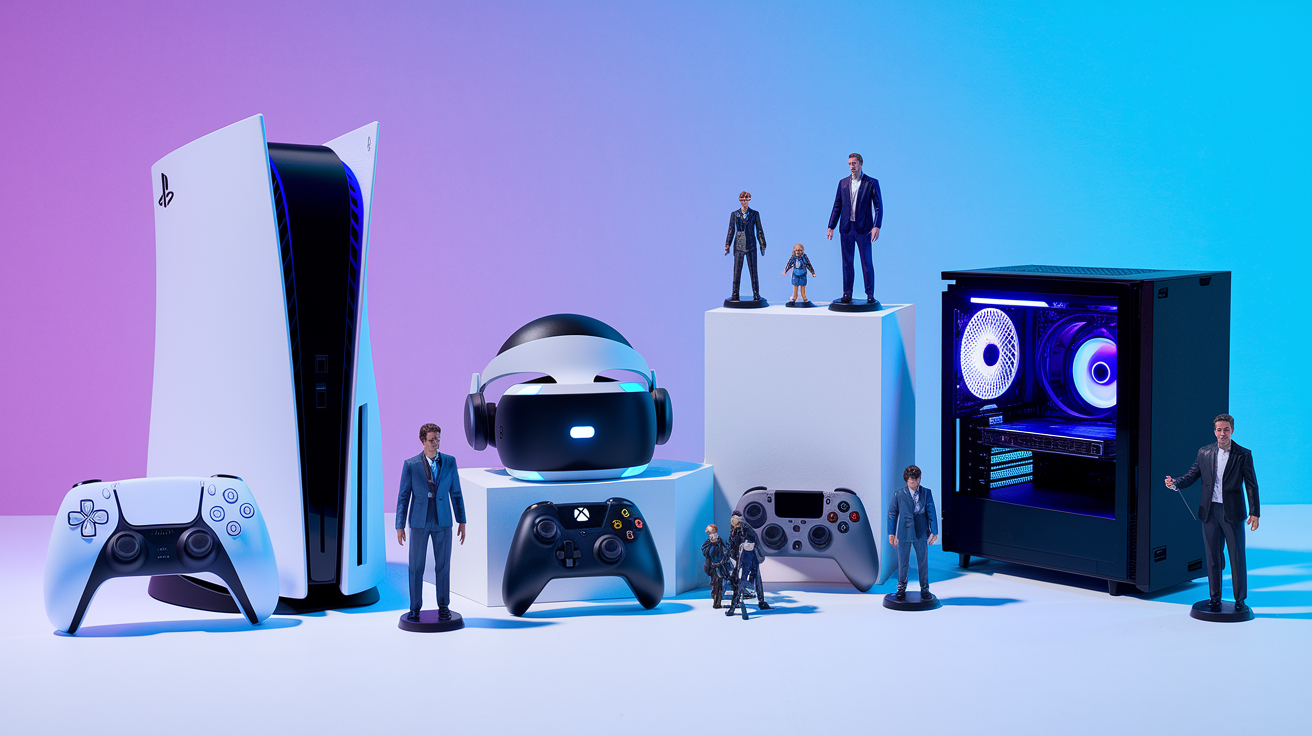
Game stores stock products across every major platform, from the latest console generation to decades-old systems that collectors and modding enthusiasts still care about. Platform diversity means you can often find titles for systems that big-box retailers quit supporting years ago, plus import games and region-specific releases.
Product categories usually include new and pre-owned games, hardware bundles, controllers and peripherals, headsets, charging stations, memory cards, external drives, protective cases, and branded merchandise. Lots of stores also carry gaming chairs, streaming equipment, capture cards, and RGB lighting kits for players who broadcast or compete online. Specialty sections might feature strategy guides, art books, soundtracks, and replica props tied to popular franchises.
Inventory rotates constantly based on trade-ins, preorder cycles, and seasonal demand. A store might stock dozens of PS5 games one week and expand its Switch library the next, depending on what customers bring in and what publishers release. Staff usually tag items by platform and keep separate bins or shelves for each system, so you’re not flipping through titles that won’t work on your console.
Platform coverage typically includes:
PS5 — new releases, pre-owned discs, digital code cards, and exclusive accessories like DualSense controllers
Xbox Series X|S — physical and digital games, Game Pass subscription cards, and branded headsets or battery packs
Nintendo Switch — first-party Nintendo titles, indie games, Joy-Con sets, carrying cases, and screen protectors
PC — boxed games, Steam wallet cards, digital download codes, gaming mice, mechanical keyboards, and GPU upgrade recommendations
VR — headsets for PlayStation VR2, Meta Quest, and PC VR systems, plus motion controllers and lens accessories
Retro systems — NES, SNES, Sega Genesis, PlayStation 1/2, original Xbox, GameCube, and reproduction cartridges or cables
Online Shopping and Digital Availability

Most game stores now offer online browsing and checkout, either through their own website or a third-party storefront. You can search inventory by platform, genre, or release date, add items to a cart, and complete payment with a credit card, PayPal, or store credit from previous trade-ins. Shipping options range from standard ground delivery to expedited overnight for new releases. Some stores let you buy online and pick up in-store the same day.
Digital game codes are another common offering. Instead of waiting for a physical disc to ship, you get a code via email or on your receipt that you redeem directly on your console or PC launcher. This works well for last-minute gifts, preorder bonuses that unlock early, or regions where physical stock is limited. Some stores also sell subscription cards for services like Xbox Game Pass, PlayStation Plus, or Nintendo Switch Online, delivered as printable codes or mailed cards.
A typical online order:
Browse the catalog — use filters for platform, price range, condition (new or pre-owned), and availability to narrow results.
Add to cart — select quantity, choose between physical or digital (when both are offered), and review item details like region lock or DLC inclusion.
Complete payment — enter shipping address, billing information, and any promo codes or store credit you want to apply.
Receive delivery or code — physical items ship within the stated window. Digital codes usually arrive by email within minutes, sometimes instantly at checkout.
Trade-Ins, Deals, and Rewards Programs

Trade-in programs let you exchange used games, consoles, and accessories for store credit or cash. The amount you get depends on the item’s condition, current demand, and whether the store already has too many copies in stock. Popular new releases and limited-edition hardware typically fetch higher values than older or heavily scratched discs.
Most stores accept the following for trade-in:
Games — disc condition, case and manual presence, platform popularity, and recent release date
Consoles — working order, included cables and controllers, cosmetic wear, and whether the model’s still in production
Controllers and accessories — button responsiveness, stick drift, battery life (for wireless), and original packaging
Collectibles — rarity, sealed vs. opened status, and current resale trends on secondary markets
Retro hardware — authenticity (original vs. reproduction), tested functionality, and availability of power supplies or AV cables
Reward programs and seasonal promotions add extra value. Lots of stores offer membership tiers that boost trade-in credit by 10 to 20 percent, give early access to preorders, or provide exclusive discounts on used inventory. Holiday sales, back-to-school events, and publisher-sponsored promotions often stack with member discounts, so signing up before a big purchase can save you a noticeable amount. Some shops also run limited-time trade-in bonuses, like an extra percentage when you trade toward a specific new release or console bundle.
Customer Reviews and Store Reputation

Customer reviews give you insight into a store’s reliability, staff expertise, and how well it handles trade-ins, preorders, and customer service issues. Shoppers often talk about whether employees offer genuine recommendations or push high-margin items, how quickly the store processes online orders, and if trade-in offers match the initial quote or drop unexpectedly at the counter.
Common review themes include selection breadth (does the store carry niche imports or only mainstream titles?), service quality (are staff knowledgeable about platform compatibility and upcoming releases?), and wait times (do you spend ten minutes in line during peak hours, or is checkout fast?). Stores with strong reputations usually maintain organized inventory, honor preorder bonuses, and respond promptly when an online shipment arrives damaged or incomplete. Negative feedback often centers on outdated pricing, poorly tested pre-owned hardware, or pushy upsell tactics that make casual browsing uncomfortable.
Key factors shoppers mention:
Selection — variety across platforms, availability of hard-to-find retro games, and regular restocking of popular titles
Service quality — staff willingness to answer questions, help troubleshoot compatibility, and process returns or exchanges fairly
Wait times — speed of in-store checkout, responsiveness to phone or email inquiries, and efficiency during trade-in appraisals
Contact Information and Support

Reaching a game store typically involves phone, email, or walking up to the customer service desk. Each method suits different needs. Phone calls work best for quick inventory checks or same-day questions. Email handles detailed inquiries like special orders or event RSVPs. In-store visits let you inspect products, test controllers, or discuss trade-in values face-to-face.
| Contact Method | Details | Availability |
|---|---|---|
| Phone | Call for inventory checks, store hours, and preorder confirmations | During posted store hours |
| Send detailed questions, special order requests, or event inquiries | Responses usually within 24–48 hours | |
| In-Store Desk | Speak directly with staff for trade-in appraisals, returns, or product demos | During posted store hours |
Response times vary. Phone calls often connect you immediately or within a few rings. Emails typically get replies within one to two business days. In-store questions receive instant answers as long as staff aren’t swamped with other customers. If you need to confirm whether a specific game or console is in stock before driving over, a quick phone call saves the trip.
Final Words
Use the quick store finder and category list to spot consoles, accessories, retro titles, and collectibles fast. The sample locations and hours table makes planning a visit simple.
Compare products, online checkout options, trade-in values, and rewards so you get the best deal. Read reviews and use the contact section if you need help, as response times vary.
Choose a nearby game store that matches your platform and budget, then enjoy a low-friction pick-me-up. Happy gaming.
FAQ
Q: What does a game store offer?
A: A game store offers consoles, new and used games, accessories, retro titles, collectibles, and digital codes, so you can buy, trade, pre-order, or find niche items in one place.
Q: How do I find a game store near me?
A: To find a game store near you, search maps or “game store near me,” check hours and phone, read reviews, and filter by console, trade-in services, or online pickup options.
Q: What are typical store hours and how are locations listed?
A: Typical store hours and location listings show store name, full address, weekday and weekend hours, and a phone number; listings often appear in a table like Store | Address | Hours | Phone.
Q: What products and platforms do game stores sell?
A: Game stores usually sell PS5, Xbox Series X|S, Nintendo Switch, PC and VR games, plus consoles, controllers, accessories, retro systems, and collectibles across new and used inventory.
Q: How does online shopping and digital code delivery work?
A: Online shopping and digital code delivery work by browsing the online catalog, adding items to cart, paying at checkout, then receiving either shipped goods or instant digital codes by email or account.
Q: How do trade-ins, deals, and rewards programs work?
A: Trade-ins, deals, and rewards programs accept games, consoles, and accessories, value items by condition and demand, and offer store credit, discounts, loyalty points, or seasonal promotions for members.
Q: What should I look for in customer reviews?
A: When checking reviews, look for staff knowledge, fair pricing, inventory accuracy, helpful service, and consistent hours to judge a store’s reliability and overall shopping experience.
Q: How can I contact a store for support?
A: To contact a store for support, use the listed phone number, store email, or visit the in-store help desk; listings usually note availability and typical response times for each method.
Q: What are typical return and warranty policies?
A: Return and warranty policies typically allow short in-store returns for physical goods, limit refunds on digital codes, and rely on manufacturer warranties for defects—always confirm the store’s specific terms first.
Q: Can I preorder or reserve items at a game store?
A: You can preorder or reserve items by placing a deposit or paying online, choosing in-store pickup or shipping, and confirming the release date and pickup window with the store.