

Want to shave minutes off your Vanquish Any% runs by skipping fights instead of beating them?
This guide lays out the optimized Any% route, slide-boost and rocket-slide techniques, major skips, and boss strategies top runners use.
Learn the exact timing for slide cancels, rocket boost windows, grenade-door tricks, and AR burst cycles that save seconds across every act.
Follow the route notes, key benchmarks, and practice tips here and you’ll stop guessing and start hitting consistent sub-55 full-game times.
Optimized Any% Route Overview and Core Tech

Vanquish Any% speedruns run on constant boost momentum, aggressive enemy skips, and smart weapon usage to blow through all five acts as fast as possible. Top runners hit sub-7:30 benchmarks through Acts 1 to 3 by chaining slide boosts across every flat surface, using rocket slides to keep horizontal velocity during transitions, and manipulating AR mode to cancel recovery animations after combat bursts. The route cares way more about movement than fighting. Most early encounters? Skip them completely by boosting past trigger zones before enemies spawn. Late game arenas get cleared with grenades timed to enemy transport door openings for instant group wipes.
Slide boosting is the core movement tech. Start crouch/slide, hit boost right away, then cancel with melee or weapon swap about 0.1 to 0.25 seconds later to lock in horizontal momentum without the usual recovery penalty. Rocket sliding builds on this: position near enemy explosions (1 to 3 meters out) and boost 0.1 to 0.3 seconds before detonation to grab extra impulse and skip whole combat sections. AR mode cancels let you fire a burst, enter AR to slow time, then exit and boost before the slowdown wears off. You’re basically resetting your movement state while enemies are still mid animation. Keeping one or two boost bursts across room transitions saves 2 to 8 seconds per major encounter. Add it up across a full run and you’re looking at over two minutes when you nail it consistently.
Big skips include the Act 1 to 2 courtyard trigger bypass (boost straight through before the dropship spawns anything), the Act 1 to 3 gate grenade trick (throw a grenade exactly when the door opens to clear the wave instantly), and the Act 3 multi level elevator combat skip (use boost cancel melee to phase through thin rail geometry and bypass three consecutive fights). Acts 4 and 5 lean hard on disc launcher pickups for quick armor shreds and rocket launcher upgrades to stagger Bogey units in minimal cycles. Late routing is all about boost conservation for the rail bridge gauntlet and burst damage windows during the final boss, where optimized rocket plus AR cycles can end the fight in under ninety seconds.
Key Time Benchmarks (Any% Runs)
- Act 1 completion: Sub 2:45 for competitive times. You want 2:30 to 2:40 with aggressive slide boost usage and courtyard skip.
- First Argus fight: 45 to 60 seconds from spawn to death. Yellow leg weak spot stuns followed by red core damage in AR mode.
- Act 2 to 3 Rapids train section: Finish the two minute timer with 15 to 25 seconds remaining by using Heavy Machine Gun sustained fire and rocket slide positioning.
- Act 3 Unknown boss (tiny robot core): One cycle kill using EMP Emitter stun followed by shotgun burst. Target sub 40 seconds.
- Full game Any% finish: Top runners aim for sub 55 minutes. Consistent intermediate runners finish between 58 and 65 minutes depending on difficulty and skip execution.
Act 1 Route Breakdown and Key Skips

Act 1 sets your boost rhythm and weapon loadout for everything after. Mission 1 to 1 Landing is pure cutscene stuff. No damage from laser beams, just forward movement through hallways. But Mission 1 to 2 Breach introduces the first major skip: boost straight across the courtyard before the dropship spawns enemies, saving about 8 to 12 seconds by skipping the trigger entirely. Grab the disc launcher near the explosive barrels and use one shot to clear the Moa mech blocking the next door, then immediately switch to Heavy Machine Gun for sustained DPS. Mission 1 to 3 involves the gate grenade trick. Throw a grenade the instant the door opens to eliminate the entire wave in one explosion, then slide boost through the debris field without engaging stragglers. Missions 1 to 4 through 1 to 6 are mostly about maintaining boost chains and avoiding slowdown. Use melee dash loops (melee attack, cancel with dodge, cancel with melee) when your AR gauge is empty to cover ground without spending energy.
The first Argus boss fight in Mission 1 to 7 requires shooting yellow leg weak spots to trigger the stun animation, then attacking the red core with sustained Heavy Machine Gun fire or rocket bursts. Boss transforms into humanoid form after the first phase, requiring limb destruction before the core becomes vulnerable again. Prioritize arms first to reduce incoming fire, then destroy the head for the final stagger window. Mission 1 to 8 Hostile ends the act with a turret defense section. Conserve turret ammunition by letting enemies cluster before firing, and use your personal weapons to handle stragglers. If you overheat the turret or run it dry, the section becomes way slower, so trigger discipline is critical.
Major Act 1 Time Saves
- Courtyard skip (Mission 1 to 2): Boost past the dropship trigger before enemies spawn. Saves 8 to 12 seconds and keeps ammunition for later encounters.
- Gate grenade timing (Mission 1 to 3): Throw grenade at exact door open frame to eliminate full wave instantly. Saves 6 to 10 seconds versus clearing individually.
- First Argus quick kill: Use AR mode bursts on red core right after stun to end phase one in under 30 seconds. Slower kills add 15 plus seconds to the fight.
- Turret ammo conservation (Mission 1 to 8): Fire only when 3 plus enemies are grouped. Running the turret dry costs 20 to 40 seconds in manual cleanup time.
Act 2 and Act 3 Speedrun Optimization
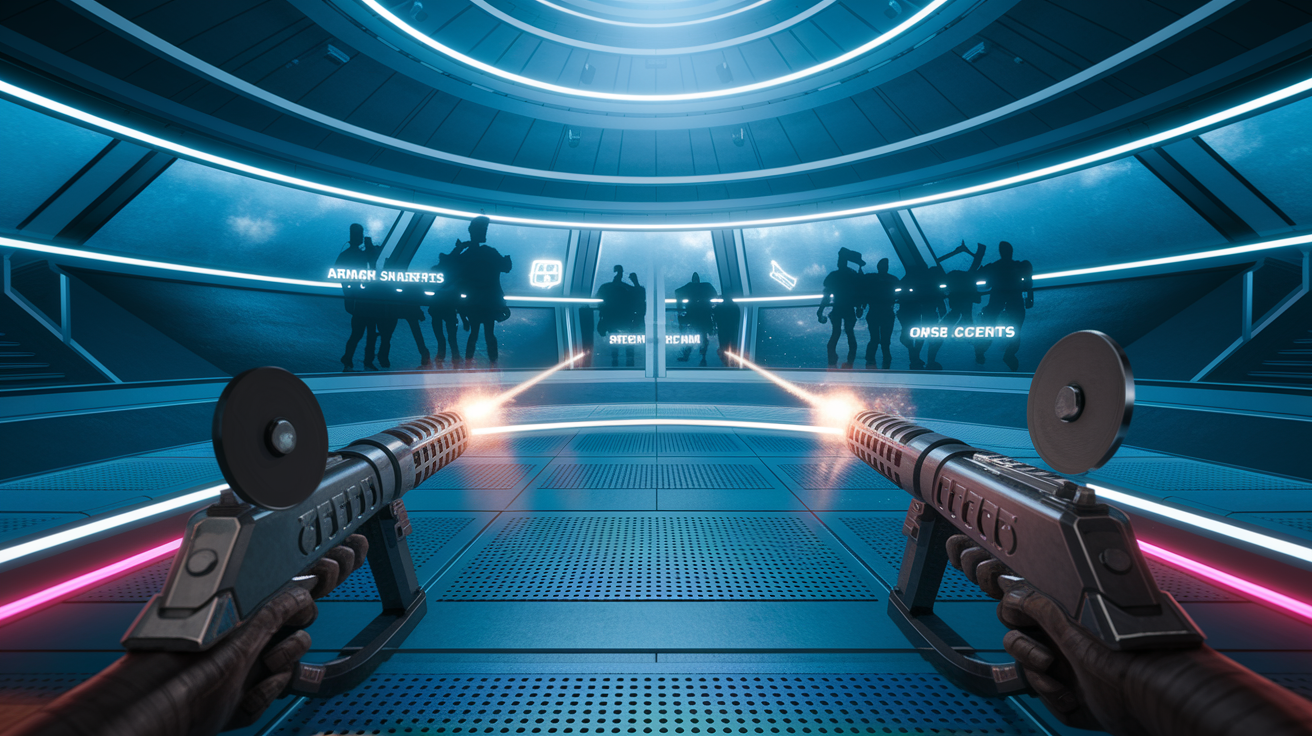
Mid game routing shifts focus to weapon upgrade timing and arena manipulation. Acts 2 and 3 introduce multi wave encounters where enemy spawn triggers can be exploited, and several boss fights allow one cycle kills if you enter with optimized loadouts. Rocket launcher and disc launcher upgrades become essential. Disc launcher armor shredding removes enemy defenses in one to two shots, and upgraded rocket launchers deliver the burst damage needed for fast Bogey staggers. Grenade usage should be timed to transport ship door openings. A single well placed grenade can clear an entire drop before enemies scatter, saving 10 to 20 seconds per wave.
Act 2 Efficiency Notes
Mission 2 to 2 Rapids features a two minute time limit to clear enemies on neighboring trains before track collision. Use Heavy Machine Gun sustained fire on the first train car, then rocket slide to the second car and finish with disc launcher shots to shred armor on heavy units. The timer is generous if you maintain constant offensive pressure. But missing a rocket slide or overheating your AR gauge can force slower movement and risk failing the timer. Mission 2 to 3 includes a double Argus boss fight. Destroy arms, head, and back plating before attacking cores to unlock the “Piece by Piece” achievement, but speedruns prioritize core damage immediately after leg stuns to minimize fight duration. Use weapon upgrade switching (have a not full ammo weapon equipped, pick up a different weapon type, pick up the new weapon for full ammo, then pick up the old weapon to force it upgraded and full) during the brief downtime between phases to ensure full rocket capacity for the second Argus.
Act 3 Skip Opportunities
Mission 3 to 4 Dragon includes a monorail stealth section requiring destruction of four spotlights with available Sniper Rifles. Shoot each spotlight as soon as it’s in view to avoid the overhead patrol car, which flies over the bridge and can one shot you if you’re spotted. The multi level elevator combat section later in Act 3 allows a major skip: stand on the elevator’s right side, fire Heavy Machine Gun or Anti Armor Pistol, then press melee during the fire animation to attempt a clip. If successful, you’ll clip onto the elevator’s top surface and can exit early, skipping 2 to 3 waves and saving 20 to 45 seconds. Behavior is inconsistent. Sometimes you clip above, sometimes to the side, sometimes below onto invisible geometry. Practice on the specific elevator frames where success rate is highest (typically during the first 1 to 2 seconds of upward movement). The Unknown boss at the end of Act 3 reveals a tiny robot core when metal pieces burst outward after EMP Emitter stuns. One cycle kills are possible with shotgun bursts in AR mode, targeting the core the instant it’s exposed. Missing the window adds a full phase cycle and 30 plus seconds.
Act 4 and Act 5 Advanced Routing

Late game introduces multiple Bogey fights where AR mode burst damage and boost conservation become the primary factors in speed. Bogey units have high stagger thresholds, so you need to enter each fight with full rocket ammunition and a plan for when to trigger AR mode. Burst too early and you waste the slowdown on travel time, burst too late and you miss the stagger window entirely. The rail bridge gauntlet in Act 4 requires careful boost management: you’ll face continuous enemy fire from multiple angles, and running out of boost energy mid crossing forces you into cover, adding 20 to 40 seconds. Maintain 1 to 2 boost bursts in reserve at all times, using slide boost chains to cover ground and boost dodge loops (boost to activate i frames, dodge to extend invulnerability, repeat) to pass through dense fire corridors without draining your gauge completely.
The final boss in Act 5 can be ended with optimized rocket plus AR burst cycles. Use rockets during stagger windows and AR mode Heavy Machine Gun fire to maintain DPS between staggers. The fight has three phases, each requiring core damage after destroying limbs or plating. Speedruns finish all three phases in under 90 seconds by maximizing damage during every vulnerability window and avoiding prolonged defensive positioning. If you enter the final boss with fewer than six rockets or a partially depleted AR gauge, expect the fight to extend by 30 to 60 seconds.
Late Game Mistakes That Lose 30 Plus Seconds
- Entering Bogey fights without full rocket ammo: Refill rockets during downtime or use weapon upgrade switching near dropped weapons. Starting a Bogey encounter low on heavy ammo extends the fight by 1 to 2 additional cycles.
- Overheating boost gauge before the rail bridge gauntlet: Running out of boost mid crossing forces you into stationary cover and exposes you to sustained fire. Conserve at least 2 boost bursts before starting the section.
- Missing final boss stagger windows: Failing to deliver burst damage during the brief vulnerability periods adds full phase cycles. Practice AR mode timing on limb destruction to hit every window consistently.
God Hard Route Differences
God Hard removes weapon upgrading entirely and increases enemy health and damage output, forcing significant routing changes compared to Any% runs on Normal or Casual difficulties. Many aggressive skips become riskier or impossible because you can’t absorb incidental damage. Rocket sliding near explosions that would deal 15 to 20 percent health on Normal can one shot you on God Hard, so runners substitute safer boost chains or accept slower pathing through high damage zones. Boost conservation becomes even more critical: AR gauge drains faster under sustained fire, and you’ll need to reserve energy for emergency dodges rather than spending it all on traversal. Expect full game God Hard runs to be 1 to 3 minutes slower than optimized Normal runs due to mandatory combat engagements and reduced margin for error.
Weapon selection shifts toward sustained fire reliability over burst damage gambles. Heavy Machine Gun and Rocket Launcher remain primary picks for boss encounters, but you’ll carry 1 to 3 extra rockets per major boss phase to account for higher health pools. Allocate 2 rockets minimum for each Bogey fight, and consider carrying a third for safety. Disc launcher usage increases because armor shredding remains percentage based and works identically across difficulties, making it one of the few weapons that doesn’t lose relative effectiveness. Late game Bogey fights require consistent AR trigger discipline: you can’t afford to waste slowdown windows on repositioning or reloading, so plan your burst windows around enemy attack animations and fire only when the core or weak point is fully exposed.
Damage thresholds change dramatically. Flamethrower Romanovs overheat your suit in 1 to 2 seconds of contact instead of 3 to 4, and drill equipped Romanovs can one shot you if they burrow and re emerge directly underneath your position. Track burrowing enemies via radar and maintain constant lateral movement to avoid surprise hits. Many runners checkpoint reset if boss positioning becomes unfavorable, accepting a 10 to 30 second reset cost rather than attempting a prolonged fight from a bad angle. The trade off becomes worthwhile when a single mistake can end the run entirely.
Segmented vs Full Game Speedrun Strategies

Segmented runs allow frame perfect execution of high risk techniques and near ideal boost routing because you can retry individual segments until perfect. Runners use segmented approaches to isolate and master advanced tricks: 100 to 300 reps of slide boosting on a specific corridor, 50 to 150 rocket slide attempts on a known explosion point, 20 to 50 full boss practice runs to learn exact stagger windows. Each segment is optimized independently, then stitched together into a theoretical best time that represents the sum of perfect individual performances. Segmented runs also permit use of checkpoint respawn exploits to manipulate enemy spawns or reset stuck geometry without penalty, and risky rocket slides that would end a full game attempt become repeatable until successful.
Full game runs emphasize consistency and safe but fast alternatives. You’ll use more conservative boss strategies, accepting two cycle kills instead of gambling on one cycle attempts that have 60 to 70 percent success rates, and avoid rocket slides in sections where failure would cost 30 plus seconds or end the run. Boost management becomes about maintaining reserve energy for recovery rather than spending every burst on traversal optimization. Full game runs are typically 30 to 120 seconds slower than the sum of segmented personal bests because of RNG variance, mandatory safety plays, and the need to recover from small mistakes without resetting. Practice sessions for full game attempts should focus on 30 minute mobility drills, 30 to 60 minutes of boss pattern work, and 30 to 60 minutes of full segment runs to build muscle memory and reduce variance.
| Method | Advantages | Drawbacks |
|---|---|---|
| Segmented | Frame perfect execution possible, can retry risky skips infinitely, reveals theoretical best times for each section, excellent for learning and mastering individual tricks. | Does not reflect real run consistency, segmented sums are not comparable to full game records, requires significant editing and recording overhead. |
| Full Game | True measure of skill and consistency, single recording with no retries, directly comparable across leaderboards, builds mental endurance and decision making under pressure. | Small mistakes compound, RNG can ruin otherwise strong runs, must use safer strategies that sacrifice 30 to 120 plus seconds versus segmented routing. |
Common Run Ending Mistakes and How to Avoid Them
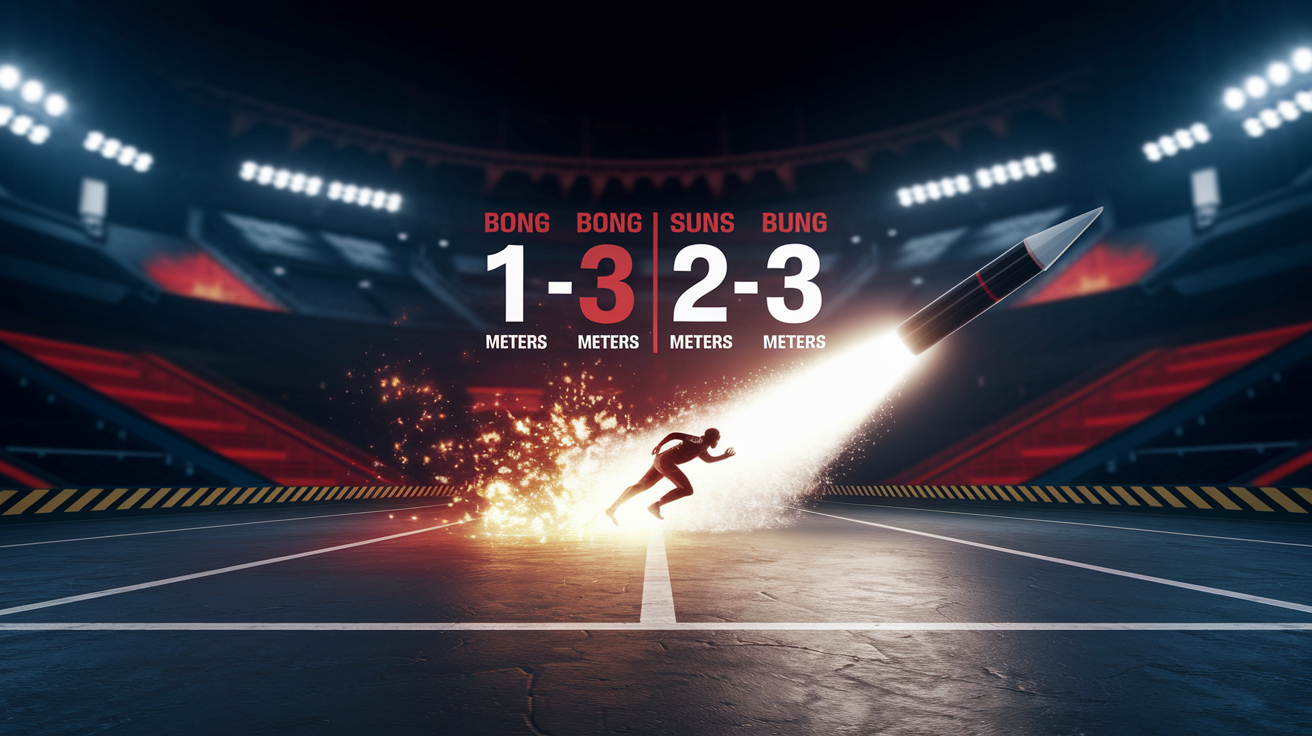
Mistimed rocket slides account for the highest percentage of failed attempts in intermediate and advanced runs. Positioning too far from the explosion (beyond 3 meters) results in zero impulse and wasted boost energy, while positioning too close (under 1 meter) on God Hard difficulty can instantly kill you. Practice rocket slide timing on consistent explosion sources: enemy rockets, barrel clusters, or scripted environmental detonations. Use a distance reference (specific floor tile, cover edge, or visual landmark) to ensure you’re within the 1 to 3 meter sweet spot. Boost exactly 0.1 to 0.3 seconds before detonation, not after. Late boosts miss the impulse window entirely and leave you standing in the explosion radius with no movement benefit.
Overheating boost gauge before boss phases forces you to enter critical fights with depleted AR energy, extending encounters by 30 to 60 seconds or more. The mistake usually happens during the approach to boss arenas: runners chain multiple slide boosts or use sustained boost flight to clear trash enemies, then arrive at the boss door with 15 to 30 percent gauge remaining. Bosses require burst damage during short stagger windows, and starting with low energy means you can’t capitalize on the first vulnerability opening. Always stop boosting at least 5 to 8 seconds before triggering a boss fight to allow full recharge. Use melee dash loops or normal running to cover the final approach and enter every encounter with 100 percent AR capacity.
Missing disc launcher armor breaks on heavy units wastes time and ammunition across multiple encounters. Romanovs, tanks, and armored Bogey units take significantly reduced damage until their plating is destroyed, and attempting to kill them with standard weapons extends fights by 20 to 40 seconds per unit. Disc launcher shots remove armor in 1 to 2 hits regardless of difficulty, so always carry a disc launcher when entering sections with known heavy spawns (Act 2 Rapids, Act 3 elevator combat, Act 4 Bogey gauntlet). If you pick up a disc launcher and later switch it out for a different weapon, use weapon upgrade switching during downtime to force the disc launcher back into your loadout with full ammunition. Have a not full ammo weapon equipped, pick up a different weapon type, pick up the new weapon to gain full ammo, then pick up the disc launcher to force it upgraded and full. The sequence takes 3 to 5 seconds but saves 20 plus seconds per armored encounter.
Incorrect grenade timing on enemy spawns turns instant clear opportunities into prolonged firefights. Enemy transports open doors in scripted sequences, and throwing a grenade 1 to 2 seconds before the door fully opens ensures detonation occurs exactly as enemies step out, eliminating the wave before they scatter. Throwing too early detonates the grenade on the closed door with zero effect, throwing too late allows enemies to spread across the arena and forces you to clear individually. Practice grenade timing on high frequency spawn points (Act 1 to 3 gate, Act 2 train car drops, Act 3 multi level elevator waves) by watching door animations and memorizing the exact frame when the opening animation starts. Throw immediately at animation start, and the detonation will align with enemy exit for maximum efficiency. Manual grenade detonation (throw grenade, enter AR mode, shoot grenade mid air for early explosion and larger radius) extends this technique further: you can control exact detonation location and timing to clear groups that would otherwise require multiple grenades or sustained fire, saving 6 to 15 seconds per wave when executed correctly.
Final Words
Keep chaining slide boosts, rocket slides, and AR cancels. Those techs are the backbone of Any% time saves.
Pick the Act-by-act tactics that match your comfort. Nail Act 1 triggers first, then add mid-game rocket and boss quick-kill setups. Focus on boost management and grenade-trigger skips. Those are the biggest wins.
Use this vanquish game speedrun route and tips as a checklist. Practice slide timing, stabilize loadouts, and learn the skips. Do that and you’ll shave seconds off every run.
FAQ
Q: What is the Any% route overview and main goals?
A: The Any% route overview and main goals are to reach the end as fast as possible by abusing slide-boosts, AR cancels, spawn manipulation, and skipping nonessential combat, aiming for sub‑7:30 early-game benchmarks.
Q: What core tech should I master for Any%?
A: The core tech to master for Any% is constant slide‑boosting, rocket‑sliding for animation cancels, and AR‑mode cancels plus enemy spawn manipulation to chain boosts and skip large segments.
Q: What time benchmarks do runners compare against?
A: The time benchmarks runners compare are Act 1 completion, Act 1–3 sub‑7:30 early‑game, Statue fight time, Bogey quick‑kill goal, and final boss kill time.
Q: What are the Act 1 key skips and time saves?
A: The Act 1 key skips and time saves are fast slide‑chains, trigger skips in 1‑2 courtyard, grenade manipulation at 1‑3 gate, and grabbing disc‑launcher pickups for quick stagger kills.
Q: How do I optimize Acts 2 and 3 for speedruns?
A: Optimizing Acts 2 and 3 relies on rocket upgrades, disc‑launcher armor shredding, boss quick‑kill setups, and using boost‑chains to bypass arenas while stabilizing your weapon loadout for fast clears.
Q: What are late‑game routing tips for Acts 4 and 5?
A: Late‑game routing tips for Acts 4 and 5 focus on AR burst damage on Bogeys, strict boost conservation for the rail‑bridge gauntlet, and finishing the final boss with optimized rocket plus AR burst cycles.
Q: How does God Hard differ from Any%?
A: God Hard differs from Any% by removing weapon upgrades, making many skips riskier or impossible, raising damage thresholds, and forcing tighter boost conservation and alternate weapon choices.
Q: Should I run segmented or full‑game runs?
A: Choosing segmented versus full‑game: segmented gives frame‑perfect AR cancels and ideal boost routing; full‑game favors consistency, safer routes, and resource management across acts.
Q: What common run‑ending mistakes should I avoid and how?
A: Common run‑ending mistakes are mistimed rocket slides, overheating boosts before bosses, missing disc‑launcher armor breaks, and bad grenade timing; avoid them by practicing timings, saving boosts, and rehearsing spawn tricks.